Observations on Insect Management in Purdue University’s High Tunnel Systems
Rick Foster
Department of Entomology
Purdue University
Download Observations on Insect Management in Purdue University’s High Tunnel Systems

Rick Foster
Department of Entomology
Purdue University
Download Observations on Insect Management in Purdue University’s High Tunnel Systems
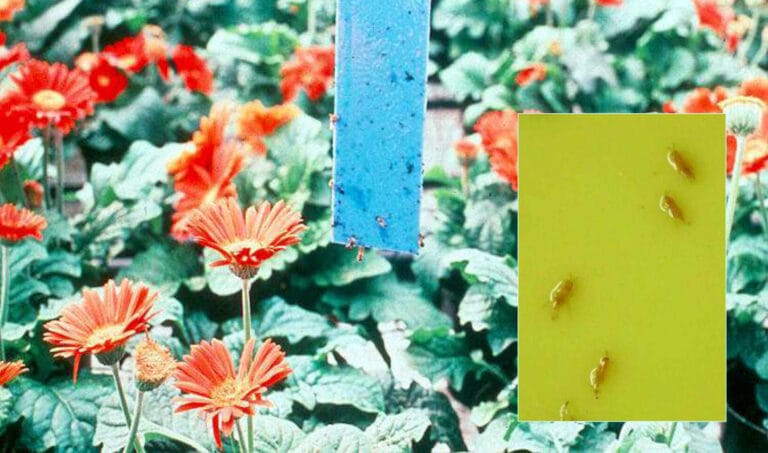
These slides are from a presentation at the Minnesota Statewide High Tunnel Conference on February 9, 2012 by Russell L. Groves, Department of Entomology Managing & Controlling Whiteflies, Aphids & Thrips in High Tunnels
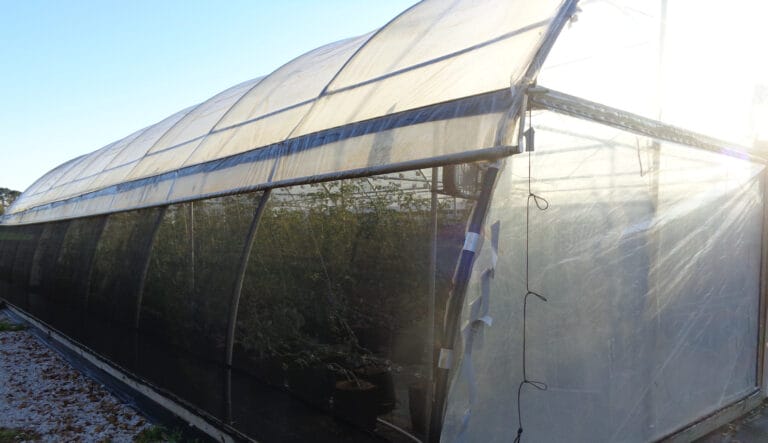
Introduction Insect pests are one of the major problems in organic production systems. Crop damage from insect pests can occur via direct feeding or egg-laying, contamination with feces, or disease transmission; loss in yield or marketability ofvegetables in the absence of Integrated Pest Management (IPM) can be nearly 100 percent. Organic IPM practice consists of…
Long before the term “sustainable” became a household word, farmers were implementing sustainable practices in the form of Integrated Pest Management (IPM) strategies. IPM uses a combination of biological, cultural, physical, and chemical methods to reduce and/or manage pest populations. These strategies are used to minimize environmental risks, economic costs, and health hazards. Pests are…
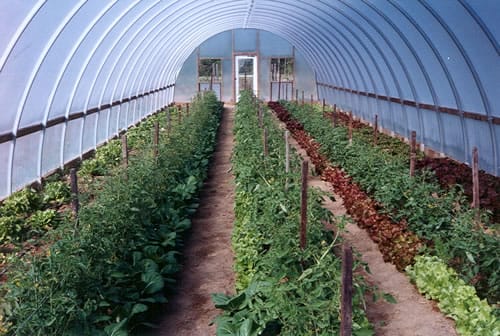
Abstract In organic production, tomato, pepper, and eggplant are normally started indoors and transplanted to the field to give them a head start on the weeds. Crops kept free of weeds for the first 4–8 weeks (tomato) or 8–10 weeks (eggplant, pepper) after transplanting can usually outcompete later-emerging weeds. However, late-season weeds can interfere with…
Growers using greenhouses in which temperature, light and relative humidity are controlled have relied for many years on releases of natural enemies to manage a pest like aphids, thrips and two-spotted spider mites. However, many of the natural enemies used to manage these pests in heated structures are too sensitive to swings in air temperature…
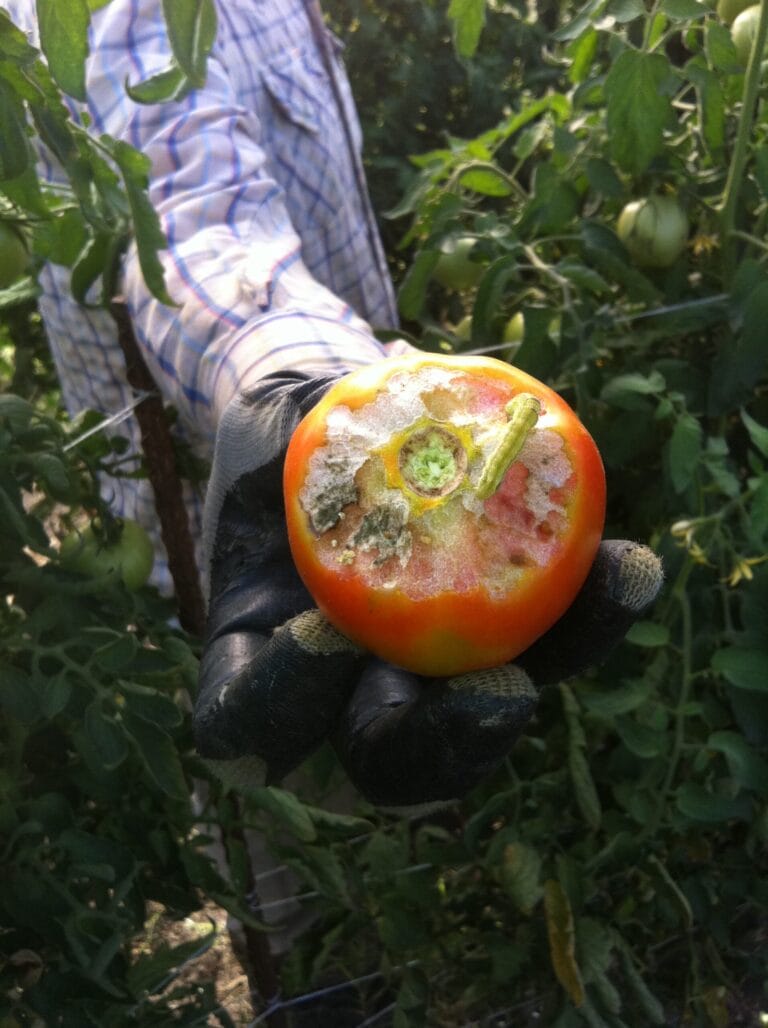
Whether you grow fruit and vegetables in a traditional garden space or in a protected space such as a greenhouse, low tunnel, hoop house, and/or high tunnel, you will eventually have insect or mite problems. Structures not only protect the plants from the elements but also provide optimal growing conditions for pests. Scouting, correct identification,…