Similar Posts
Constructing a Simple PVC High Tunnel (Metric Units)
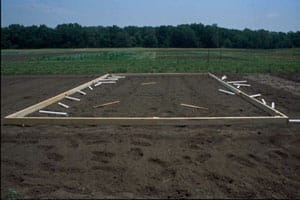
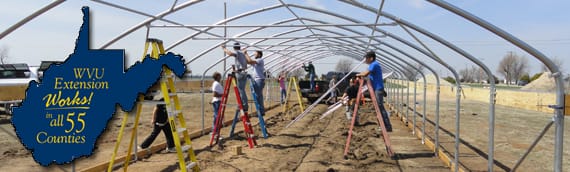
Introduction This 5.5 meters wide by 9.1 meters long PVC high tunnel is constructed using PVC pipe for hoops. Longer structures, up to 29 m, may be constructed with the addition of hoops. Additional support and purlins may be necessary. A crew of four can easily construct a high tunnel of this design in a…
Growing Under Cover: A Guide to Polytunnel Options for Kansas Growers
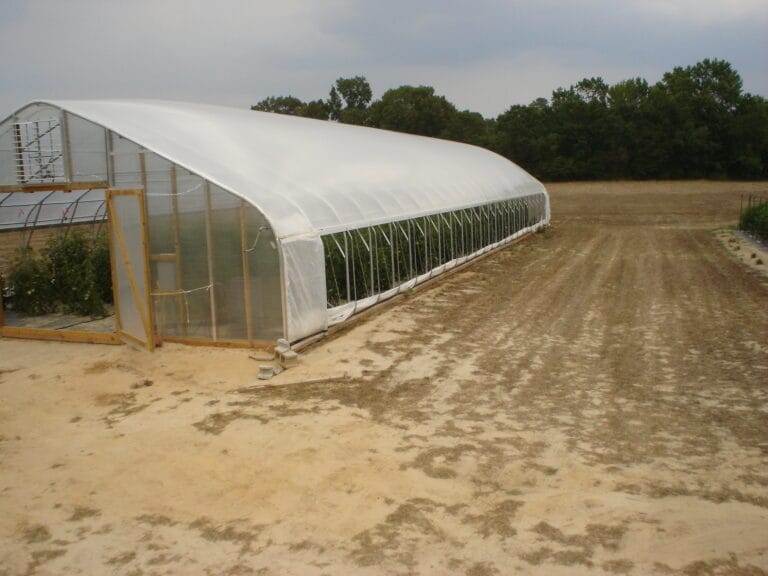
Polytunnels, such as high or low tunnels, offer growers innovative tools to extend the growing season, help reduce risk, and increase yields, while mitigating extreme and “normal” Kansas weather conditions across all seasons. However, plastic-covered tunnels are no silver-bullet solution. They require significant financial investment, can be labor intensive to manage, and may be damaged…
High Tunnel Construction Plans – University of Tennessee
The University of Tennessee Extension maintains a collection of over 300 building and equipment plans, and all are now available in electronic format for download. The plans are primarily intended for use in Tennessee, but many are appropriate for other locations as well. The high tunnel construction plans and other plans came from many sources….
Rainwater Catchment from a High Tunnel for Irrigation Use
By the Iowa State University Extension Office This program describes how to build a system to catch, store and reuse the rainwater for irrigation in a high tunnel. Shawn Shouse, ISU Extension and Outreach ag engineer, runs us through the process. The cost of installing rain gutters, rainwater storage tanks, and an electric pump is…
Frequently Asked Questions – Using Film Plastic
1. Should I use a single or double layer of plastic for my high tunnel? 2. What type of plastic is used to cover a high tunnel? 3. How do I repair small tears in plastic covering? 4. Is it possible to use 4-year film plastic for longer than 4 years? 5. Why does film…
How To Reduce Storm Damage To Your Greenhouse and High Tunnel
Your greenhouse is an investment that should be protected, safeguarded, and – as we’ll discuss here – storm-proofed. Storm damage not only has the potential to reduce your greenhouse to ruins, but will result in a devastating loss of crops. Many growers survive harvest to harvest, so the loss of an entire season of crops…